ICOM IC-A25N Handheld NAV/COM Transceiver w/ Bluetooth – Open Box: Versatile Cockpit and Ground Communication
ICOM IC-A25N Handheld NAV/COM Transceiver w/ Bluetooth – Open Box: Versatile Cockpit and Ground Communication
Blog Article
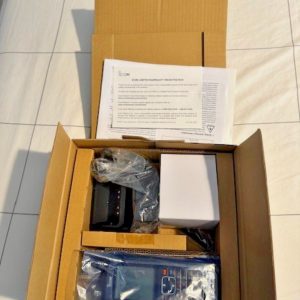
:::writingvariant="document" id="58314" ICOM IC-A25N Handheld NAV/COM Transceiver w/ Bluetooth – Open Box: Professional Aviation Backup Radio The ICOM IC-A25N Handheld NAV/COM Transceiver w/ Bluetooth – Open Box provides pilots and aviation professionals with a convenient combination of communication, navigation support, portable operation, and wireless connectivity. Choosing an open-box aviation radio may allow buyers to obtain advanced pilot equipment at a more accessible price than a comparable factory-sealed package. The ICOM IC-A25N Handheld NAV offers a flexible option for private pilots, commercial operators, instructors, aviation students, and support personnel. The ICOM IC-A25N Aviation Radio offers portable flexibility for aircraft owners who do not want to rely exclusively on panel-mounted communication equipment. The ICOM IC-A25N Handheld Radio can serve private owners, instructors, students, aircraft dealers, mechanics, and airport staff who need communication away from a fixed cockpit installation. Choosing a Handheld NAV/COM Aviation Transceiver can support organized flight preparation, backup planning, and portable cockpit communication. Whether the requirement is a Handheld Aviation Radio, Aviation NAV/COM Radio, Pilot Handheld Radio, or Aircraft Communication Radio, buyers should review package condition, included accessories, battery health, and operational compatibility before purchase. The unit may also serve as a Portable Aviation Transceiver, Aviation Communication Device, Handheld Aircraft Radio, Aviation Navigation Radio, ICOM Pilot Radio, Emergency Aviation Radio, or Backup Aircraft Radio for appropriate aviation applications.
Overview of the ICOM IC-A25N Aviation Radio
This handheld transceiver offers pilots a convenient way to carry aviation communication equipment independently of the aircraft’s installed radio system. Its practical value comes from combining mobility, recognizable controls, aviation-focused operation, rechargeable power, and multiple communication or navigation functions. A handheld radio can provide valuable support, but performance may depend on antenna position, aircraft structure, terrain, distance, interference, battery condition, and operating environment. Operators should include the radio in normal equipment checks so batteries, accessories, and settings remain ready for use.Benefits of the ICOM IC-A25N Handheld NAV
An ICOM IC-A25N Handheld NAV may help pilots monitor frequencies, organize flight-related information, and maintain portable communication capability. Ground personnel can use an appropriate handheld radio for monitoring or coordination where local procedures and regulations allow. The handheld radio should be operated according to the manufacturer’s instructions and integrated responsibly into the pilot’s overall workflow. Responsible operation includes checking settings, frequency steps, stored information, battery capacity, antenna security, and any paired accessories before departure.ICOM IC-A25N Aviation Radio Applications
The radio may be useful to pilots operating aircraft with limited avionics, temporary communication problems, or different cockpit configurations. The radio may also be useful at aviation events, remote airfields, flight schools, maintenance shops, aircraft demonstrations, and airport operations areas. A complete written inventory helps purchasers compare the open-box price with the cost of replacing missing accessories separately. Remote buyers may request a video showing startup, menu operation, button response, audio output, charging status, and physical condition.ICOM IC-A25N Handheld Radio Convenience
The handheld format allows the radio to move with the pilot between personal, rental, training, business, and club aircraft. A secure carrying arrangement can keep the radio accessible without allowing it to move around the cockpit during turbulence or abrupt maneuvering. Portability also allows the radio to be charged and configured away from the aircraft, helping pilots prepare frequencies and settings before entering the cockpit. The radio should be removed from environments where condensation, fuel, oil, cleaning products, or maintenance debris may cause damage.Handheld NAV/COM Aviation Transceiver Benefits
A NAV/COM transceiver can support normal operations, training, backup planning, aircraft delivery, and selected ground activities. An open-box package may represent strong value when it includes the equipment required for immediate setup and normal use. Users should keep the operating guide accessible until they can manage essential functions without hesitation. Any abnormal heat, charging issue, intermittent audio, damaged control, loose connector, or battery swelling should be investigated before further operation.Handheld Aviation Radio Benefits
A handheld aviation device can support monitoring and communication activities from the cockpit, ramp, hangar, or operations office. The radio can also provide useful redundancy when an installed communication system experiences an unexpected problem. A handheld radio should be evaluated in the aircraft and environment where it will normally be used. The device should not be used for casual or unnecessary transmissions that could interfere with operational communications.Aviation NAV/COM Radio Applications
An Aviation NAV/COM Radio gives pilots portable access to communication and navigation-support features that may website complement installed cockpit avionics. A portable radio should support cockpit management rather than add unnecessary workload. The radio’s navigation-related functions should be used within the limits described by the manufacturer and the requirements of the intended operation. Before departure, pilots should confirm that the radio is charged, correctly configured, securely stored, and easy to reach.Choosing a Pilot Handheld Radio
A portable radio can remain with the pilot when changing aircraft, allowing consistent access to a familiar communication device. The device should remain accessible to the pilot without becoming a loose object or interfering with cockpit controls. Emergency equipment is more useful when essential controls can be operated confidently without lengthy manual review. The radio’s charging schedule should reflect how often it is used and how long it remains stored between flights.Choosing an Aircraft Communication Radio
An aircraft communication device can support maintenance coordination, ground handling, training activities, and operational monitoring where appropriate. A strong transceiver cannot compensate for poor microphone technique, excessive background noise, incorrect frequency selection, or unclear messages. Moving the radio or antenna within the cockpit may influence reception, but it must remain secure and clear of controls. A cracked housing, loose antenna connection, damaged battery latch, or unreliable control can affect usability even when the radio still powers on.Portable Aviation Transceiver Applications
A compact transceiver may remain available during electrical shutdowns, maintenance events, panel upgrades, or aircraft storage. The owner should keep the package organized so no essential component is missing when the radio is needed. Wireless connectivity may help pilots integrate the radio into a preferred communication setup when paired equipment is supported and configured correctly. Careful setup allows portable wireless communication features to improve convenience without creating unnecessary cockpit distraction.Maintaining an Aviation Communication Device
A professional handheld radio may serve private pilots differently from flight schools, maintenance shops, airport staff, or commercial operators. The seller should explain the product’s status and disclose any evidence of use, missing materials, registration, or cosmetic handling. Equipment logs can improve accountability when several instructors, pilots, or technicians share one transceiver. A well-managed Aviation Communication Device can support efficient and dependable operations across many aviation roles.Choosing a Handheld Aircraft Radio
Flight instructors can carry the radio during aircraft walkarounds, ramp exercises, and selected student-training activities. Pilots may prepare frequencies and settings before entering the cockpit, reducing setup workload after engine start. The unit must remain accessible without forcing the pilot to look away from primary responsibilities for an extended period. The radio should be cleaned only with suitable methods that do not damage the display, housing, seals, labels, or controls.Choosing an Aviation Navigation Radio
Navigation functions can add value during training, planning, route familiarization, and backup preparation when used appropriately. Competent use comes from practice, realistic expectations, and integration with established navigation procedures. Portable functions are most useful when they complement rather than replace disciplined aviation decision-making. Careful preparation allows an Aviation Navigation Radio to provide practical value without increasing cockpit workload unnecessarily.ICOM Pilot Radio Applications
An ICOM handheld can become a standard part of a flight bag for pilots who regularly operate rented, shared, or personally owned aircraft. A complete and well-documented package can be more valuable than a lower-priced unit missing essential equipment. Aviation students may prioritize ease of learning, while experienced pilots may focus on backup capability, portability, and integration. Pilots should record serial information, purchase details, accessory inventory, battery condition, and any warranty documentation.Maintaining an Emergency Aviation Radio
A backup transceiver should be included in emergency planning rather than carried without testing or operational preparation. A written quick-reference guide may help, but it should remain simple enough to use without creating distraction. Bluetooth or wired audio arrangements should be tested before flight and should not be assumed to work automatically during an emergency. The radio should be tested periodically without making unauthorized transmissions or interfering with operational frequencies.Backup Aircraft Radio Benefits
Backup equipment can be particularly valuable during cross-country operations, aircraft delivery, training, rental flying, or travel in older aircraft. A backup device should not be neglected simply because it is not used during every flight. The device should be placed where it can be retrieved quickly without interfering with flight controls or becoming a loose object. Pilots should use clear, concise communication and follow appropriate procedures for the situation and operating environment.Open-Box ICOM IC-A25N Purchase Checklist
An open-box ICOM IC-A25N should be inspected for cosmetic condition, display quality, button response, antenna security, battery fit, connector condition, and evidence of previous use. The seller should identify whether original packaging, manuals, warranty materials, and product registration documents remain available. Functional testing should include power-on behavior, charging, control response, display operation, speaker audio, microphone function where appropriately tested, and accessory recognition. The radio should be protected from impact, moisture, static, loose movement, and pressure during transportation.Protecting ICOM IC-A25N Reliability
A professional handheld transceiver should be managed as aviation equipment rather than treated like an ordinary consumer radio. Occasional-use radios should still receive periodic checks because batteries and electronic components can deteriorate during inactivity.- Review the complete package and remove the radio from backup service if physical or electronic condition is uncertain.
- Keep the operating guide or a simple quick-reference resource accessible until important functions are fully familiar.
- Protect the equipment from extreme temperature, direct sunlight, moisture, fuel, oil, cleaning chemicals, heavy tools, and accidental impact.